


Retail Media Networks Are Exploding
Introduction
The world of marketing and commerce is changing faster than ever before. Traditional advertising channels are becoming less effective, customer acquisition costs are rising, and brands are struggling to track real return on investment from digital campaigns. At the same time, retailers are sitting on one of the most valuable assets in modern business first-party customer data.
This is where Retail Media Networks (RMNs) come into play.
Retail Media Networks are rapidly becoming one of the most powerful growth systems in the global business landscape. Companies like Amazon, Walmart, Target, and Tesco are building massive advertising ecosystems using customer shopping data, digital platforms, and AI-powered targeting systems.
Experts believe retail media could soon become one of the largest forms of digital advertising globally, competing directly with platforms like Google and Meta.
Retail media is no longer just a trend. It is becoming the operating system for modern commerce.
What Is a Retail Media Network?
A Retail Media Network is an advertising platform created by a retailer that allows brands to advertise directly to shoppers using the retailer’s customer data, websites, apps, stores, and digital channels.
In simple terms:
Retailers sell products
Retailers collect customer behavior data
Brands pay retailers to advertise to those customers
This creates a powerful closed-loop ecosystem where:
Ads can be targeted precisely
Customer behavior can be measured directly
Purchases can be linked to campaigns
ROI becomes easier to track
Unlike traditional advertising, retail media networks operate very close to the point of purchase. That makes them extremely valuable for brands trying to influence buying decisions.
Why Retail Media Networks Are Growing So Fast
1. First-Party Data Has Become Extremely Valuable
Privacy regulations and the decline of third-party cookies have changed digital marketing forever.
Browsers and platforms are limiting tracking capabilities, making it harder for advertisers to collect customer data across the internet. Retailers, however, already own massive amounts of first-party data through:
loyalty programs
purchase histories
shopping behavior
app activity
membership systems
in-store transactions
This data is highly accurate because it comes directly from real customer purchases.
For example:
grocery retailers know household buying habits
fashion retailers understand style preferences
electronics retailers know upgrade cycles
This gives retailers a major competitive advantage in advertising.
2. Brands Want Better ROI Tracking
One of the biggest problems in digital advertising has always been attribution.
Brands spend millions on ads but often struggle to understand:
which campaigns actually generated sales
which audiences converted
which ads influenced purchases
Retail media solves this problem because it connects advertising directly to commerce.
Brands can now track:
impressions
clicks
conversions
basket size
repeat purchases
customer lifetime value
This closed-loop measurement system makes retail media incredibly attractive for marketers focused on performance.
3. Ecommerce Growth Accelerated the Opportunity
The explosion of ecommerce over the past few years created massive digital traffic for retailers.
Consumers now spend hours browsing:
online marketplaces
retailer apps
grocery platforms
delivery apps
product search systems
This gives retailers premium advertising inventory directly inside shopping environments.
Unlike social media ads, shoppers on retail platforms often already have buying intent. That means:
higher conversion rates
stronger purchase signals
better ad performance
This is why many brands are shifting budgets from traditional advertising into retail media systems.
How Retail Media Networks Work
Retail media networks typically include several advertising channels.
Sponsored Product Listings
These are promoted products that appear higher in search results.
For example:
a cereal brand paying for top placement
a skincare company sponsoring search results
electronics brands promoting products during shopping searches
Sponsored listings are becoming one of the largest revenue drivers for retailers.
Display Advertising
Retailers offer banner ads and display placements across:
websites
mobile apps
homepage takeovers
recommendation sections
These ads are powered by customer shopping behavior and AI targeting systems.
Offsite Advertising
Retailers are now extending advertising beyond their own websites.
Using customer data, they can help brands run targeted ads across:
social media
streaming platforms
websites
search engines
This expands the reach of retail media far beyond ecommerce stores.
In-Store Digital Advertising
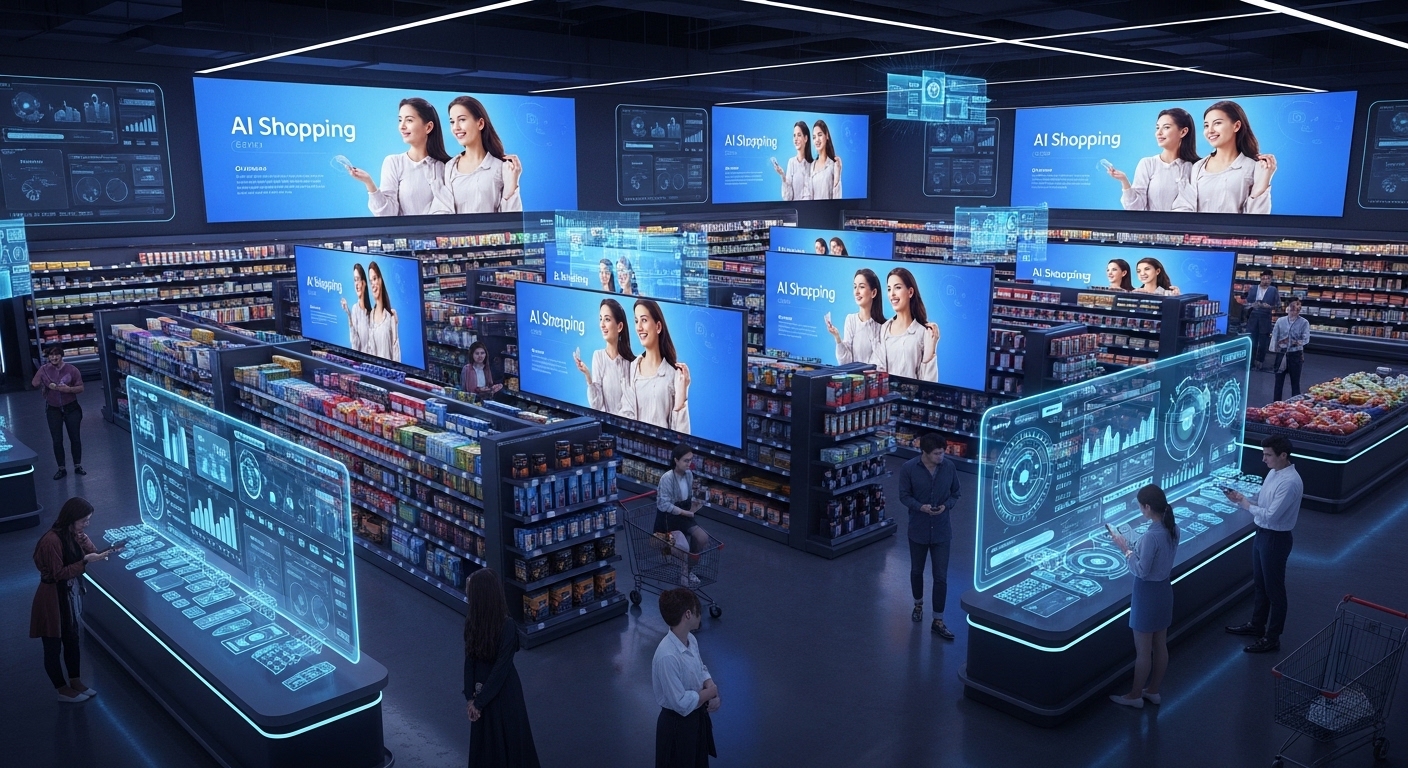
Physical stores are becoming digital media environments.
Retailers now use:
smart screens
digital shelves
interactive displays
QR-powered experiences
AI recommendation kiosks
The line between online advertising and physical retail is disappearing.
AI Is Supercharging Retail Media Networks
Artificial Intelligence is making retail media dramatically more powerful.
AI systems can now:
predict customer behavior
personalize recommendations
optimize ad placement
automate bidding
improve conversion rates
forecast purchasing intent
Instead of showing generic ads, AI-powered retail systems deliver highly personalized experiences based on real customer behavior.
For example:
a customer buying baby products may receive family-focused promotions
fitness shoppers may see protein supplement recommendations
repeat electronics buyers may receive upgrade offers
This level of personalization increases both customer engagement and revenue generation.
Why Retailers Love Retail Media
Retail media has become one of the most profitable parts of modern retail businesses.
Traditional retail often operates on thin profit margins. Advertising, however, delivers much higher margins.
This creates several benefits for retailers:
new revenue streams
increased profitability
stronger supplier partnerships
better customer engagement
monetization of digital traffic
Some retailers now generate billions in advertising revenue annually.
For many companies, retail media is becoming just as important as product sales themselves.
Why Brands Are Investing Heavily in Retail Media
Brands are increasingly prioritizing retail media because it delivers:
measurable performance
better targeting
high-intent audiences
real purchase attribution
improved conversion rates
Retail media allows brands to influence customers at the exact moment they are making purchasing decisions.
This is far more effective than broad awareness advertising alone.
Many consumer brands are now restructuring marketing budgets specifically around retail media strategies.
The Rise of Omnichannel Commerce
Retail media networks are also fueling omnichannel growth strategies.
Modern customers move constantly between:
mobile devices
ecommerce websites
physical stores
social media
delivery apps
Retail media helps businesses create connected customer journeys across every touchpoint.
For example:
A customer sees a product ad on social media
They browse the retailer app
They receive personalized recommendations
They visit a physical store
They complete the purchase online later
Retail media systems help brands track and optimize this entire journey.
Challenges Facing Retail Media Networks
Despite rapid growth, retail media still faces several challenges.
Data Privacy Concerns
As retailers collect more customer data, privacy expectations are increasing.
Businesses must balance:
personalization
transparency
consent
security
ethical AI usage
Trust will become essential for long-term success.
Market Saturation
More retailers are launching advertising platforms every year.
This creates fragmentation for brands managing campaigns across multiple retail networks.
Standardization and integration tools will become increasingly important.
Measurement Complexity
While attribution is improving, omnichannel customer journeys remain difficult to measure perfectly.
Brands still need better systems for:
cross-platform analytics
unified reporting
multi-touch attribution
long-term customer tracking
The Future of Retail Media Networks
The future of retail media looks incredibly strong.
Experts predict retail media will continue expanding into:
AI-driven commerce
connected TV advertising
voice commerce
augmented reality shopping
predictive marketing systems
autonomous shopping assistants
Future retail media ecosystems may eventually combine:
advertising
ecommerce
loyalty systems
payments
AI assistants
customer service
logistics
into one unified growth engine.
Retailers are no longer simply stores.
They are becoming media companies, technology companies, and data companies simultaneously.
Key Takeaways
Retail Media Networks are transforming modern business because they:
connect advertising directly to purchases
use powerful first-party customer data
improve ROI measurement
enable AI-driven personalization
support omnichannel commerce
create new revenue streams for retailers
Businesses investing in retail media today are positioning themselves for:
stronger customer engagement
higher conversion rates
scalable growth systems
more accurate targeting
future-ready commerce infrastructure
Conclusion
Retail Media Networks are exploding because they solve one of the biggest challenges in modern business connecting marketing directly to measurable sales outcomes.
As privacy regulations reshape digital advertising and AI transforms commerce, retailers are gaining unprecedented power through customer data and integrated advertising ecosystems.
The companies that succeed in the next decade will not simply advertise products. They will build intelligent, data-driven growth systems that connect:
customer insights
personalization
commerce
advertising
automation
AI-powered decision making
Retail media is no longer an optional strategy.
It is becoming the future foundation of sales, marketing, and business growth.
