


Inflation Is Making a Strong Comeback
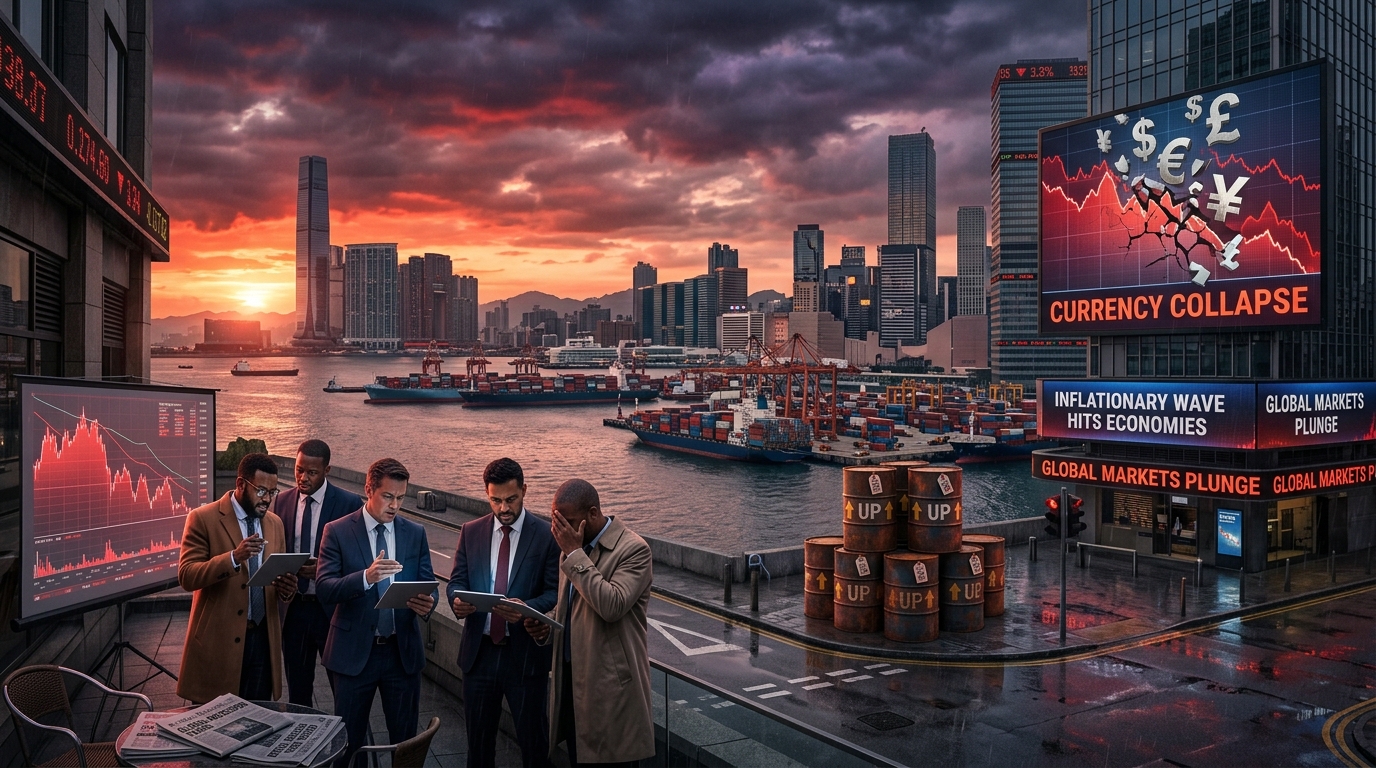
For a brief period, the global economy appeared to be stabilizing. Inflation rates had started cooling after years of aggressive interest rate hikes, supply chain disruptions were easing, and businesses were cautiously regaining confidence. Governments and economists hoped the worst phase of the inflation crisis was over.
But in 2026, inflation is once again accelerating across major economies.
Fuel prices are climbing, food costs are rising, transportation expenses are increasing, and businesses worldwide are experiencing renewed financial pressure. Consumers who were already struggling with high living costs are now facing another wave of economic uncertainty.
Inflation is no longer viewed as a temporary disruption caused by isolated events. Instead, it is becoming a long-term structural challenge deeply connected to geopolitics, climate change, energy markets, labor shortages, and global trade fragmentation.
The return of inflation is changing the way businesses operate, how governments create policy, how investors allocate capital, and how consumers spend money.
The world economy is entering a new era where volatility and uncertainty may become permanent features rather than temporary crises.
Understanding Inflation in the Modern Economy
Inflation refers to the sustained increase in the prices of goods and services over time. While moderate inflation is considered normal in a growing economy, excessive inflation creates serious economic problems.
When prices rise faster than wages:
Purchasing power declines
Consumer confidence weakens
Savings lose value
Business operating costs increase
Investment becomes uncertain
Economic growth slows
Inflation affects every part of society because nearly all economic activity depends on predictable pricing.
What makes the current inflation cycle different is that it is being driven by multiple global pressures simultaneously.
Unlike previous inflation periods that were caused primarily by monetary policy or demand surges, today’s inflation comes from interconnected structural issues:
Geopolitical conflicts
Energy instability
Supply chain fragmentation
Climate-related disruptions
Labor shortages
Rising debt levels
Trade restrictions
Transportation bottlenecks
This combination makes inflation far more difficult to control.
Energy Inflation Is Fueling the Entire Economy
Energy remains the foundation of the global economy.
Oil, natural gas, electricity, and fuel directly influence:
Manufacturing
Transportation
Agriculture
Construction
Logistics
Retail
Aviation
Shipping
When energy prices rise, the effects spread rapidly through every industry.
In 2026, ongoing geopolitical tensions in energy-producing regions are creating major instability in oil and gas markets. Shipping routes are becoming more expensive due to security risks, and energy supply chains remain vulnerable to political disruptions.
As fuel costs rise:
Airlines increase ticket prices
Trucking companies raise freight rates
Manufacturers face higher production expenses
Retailers pay more for transportation
Consumers spend more on utilities and gasoline
Energy inflation acts like a multiplier across the economy.
Even companies unrelated to the energy sector eventually experience rising operational costs because nearly every business relies on transportation, electricity, and supply logistics.
Countries heavily dependent on imported energy are especially vulnerable. Many developing economies are now facing renewed inflation pressure because currency weakness combined with expensive fuel imports creates a double financial burden.
Food Inflation Is Becoming a Global Economic Threat
Food inflation is emerging as one of the most dangerous aspects of the current economic environment.
Extreme weather events are severely impacting agricultural production worldwide:
Droughts are reducing crop yields
Flooding is damaging farmland
Heatwaves are affecting livestock
Water shortages are threatening irrigation systems
At the same time:
Fertilizer prices remain high
Transportation costs continue rising
Labor shortages affect farming operations
Export restrictions disrupt global food trade
The result is increasing pressure on food supply chains.
Consumers around the world are paying significantly more for essential goods such as:
Wheat
Rice
Vegetables
Dairy products
Cooking oils
Meat products
Food inflation creates immediate social and economic stress because food is a non-discretionary expense.
Low-income households are hit hardest because a larger portion of their income is spent on necessities.
Restaurants, grocery chains, hotels, and food manufacturers are also struggling with shrinking margins as raw material costs continue increasing.
In some regions, food insecurity is becoming both a humanitarian issue and a political risk.
Supply Chain Fragmentation Is Increasing Costs
Global supply chains were already weakened by earlier disruptions, but businesses are now realizing that the era of ultra-efficient globalization may be ending.
Companies are increasingly moving away from overdependence on single-country manufacturing systems.
Businesses are adopting:
Nearshoring
Friendshoring
Regional sourcing
Multi-country supplier networks
Domestic manufacturing expansion
These strategies improve resilience but also increase operating costs.
For decades, companies optimized supply chains purely for efficiency and low production costs. Now, resilience and security are becoming equally important.
Building redundant supplier networks, relocating production facilities, and maintaining larger inventories require major investment.
These additional costs eventually flow through the economy and contribute to inflation.
Shipping and logistics remain another major concern.
Global freight markets continue facing:
Port congestion
Shipping delays
Rising insurance costs
Higher fuel expenses
Political disruptions
Maritime security concerns
The cost of moving goods internationally has become far less predictable than it was before 2020.
Labor Costs Are Continuing to Rise
Labor shortages are another major driver of inflation.
Many industries worldwide are struggling to recruit and retain workers due to:
Aging populations
Skill shortages
Demographic changes
Post-pandemic workforce shifts
Rising wage expectations
Sectors experiencing significant labor pressure include:
Healthcare
Manufacturing
Logistics
Construction
Hospitality
Technology
Agriculture
As businesses compete for talent, wages continue rising.
While higher wages benefit workers, they also increase operating costs for employers. Many businesses pass those costs directly to consumers through higher prices.
This creates a wage-price cycle where:
Workers demand higher wages due to inflation
Businesses raise prices to offset labor costs
Inflation increases further
Workers demand additional wage increases
Breaking this cycle becomes extremely difficult without slowing economic activity.
Central Banks Face a Dangerous Balancing Act
Central banks around the world are under enormous pressure.
Their primary tool for fighting inflation is raising interest rates.
Higher interest rates reduce borrowing and spending by making:
Loans more expensive
Mortgages costlier
Business financing harder to access
Consumer credit less attractive
The goal is to slow economic demand enough to reduce inflationary pressure.
However, maintaining high interest rates for too long creates serious economic risks:
Slower business investment
Weak housing markets
Reduced consumer spending
Rising unemployment
Startup funding decline
Corporate debt stress
Many economies are now facing the possibility of “stagflation” a dangerous environment where inflation remains high while economic growth weakens.
This is one of the most difficult economic conditions for policymakers to manage because solutions that reduce inflation may also damage growth and employment.
Consumers Are Becoming More Defensive
Inflation is dramatically changing consumer behavior worldwide.
People are becoming increasingly cautious about spending because uncertainty is growing.
Consumers are now prioritizing:
Essential purchases
Discount retailers
Budget-friendly products
Savings and emergency funds
Long-lasting products over luxury items
This shift is forcing businesses to adapt quickly.
Premium brands are experiencing stronger resistance from price-sensitive customers. Companies that once relied on aggressive pricing power are now facing reduced demand.
Subscription fatigue is also growing.
Many households are canceling:
Streaming services
Membership programs
Non-essential subscriptions
Luxury spending categories
Consumers are focusing more on financial stability rather than lifestyle expansion.
This behavioral shift is reshaping entire industries including retail, travel, entertainment, hospitality, and e-commerce.
Businesses Are Shifting Toward Resilience
The era of “growth at all costs” is fading.
During previous years, many companies prioritized rapid expansion, aggressive hiring, and market dominance. But inflation and economic uncertainty are changing corporate priorities.
Businesses are now focusing more heavily on:
Profitability
Cash flow management
Cost control
Operational efficiency
Supply chain security
Risk management
Executives are becoming more cautious with:
Hiring
Expansion plans
Capital expenditures
Acquisitions
Long-term investments
Companies are also reevaluating inventory strategies.
For years, businesses relied heavily on “just-in-time” inventory systems designed for maximum efficiency. Now, many organizations are increasing inventory reserves to protect against disruptions.
While this improves resilience, it also increases storage and operational costs.
Small Businesses Face the Harshest Reality
Small and medium-sized businesses are among the most vulnerable during inflationary periods.
Unlike large corporations, small businesses often lack:
Strong cash reserves
Pricing power
Supply chain flexibility
Access to cheap financing
As inflation rises, small businesses face pressure from multiple directions simultaneously:
Higher rent
Rising supplier costs
Increased wages
Expensive loans
Weak consumer demand
Many entrepreneurs are forced into difficult decisions:
Raise prices and risk losing customers
Maintain prices and sacrifice margins
Reduce staff
Delay expansion
Cut operational spending
For startups and local businesses, inflation can quickly become a survival challenge rather than just a profitability issue.
Housing Markets Are Under Pressure
Higher interest rates are significantly impacting global housing markets.
Mortgage costs have risen sharply in many countries, making home ownership less affordable.
This creates several economic effects:
Lower home demand
Slower construction activity
Declining real estate transactions
Reduced consumer confidence
At the same time, rental markets remain expensive because housing supply remains constrained in many urban regions.
Housing inflation directly affects:
Household spending
Banking systems
Construction industries
Consumer confidence
Long-term wealth creation
Real estate markets are becoming increasingly sensitive to inflation and interest rate expectations.
Global Debt Levels Are Becoming Riskier
Many governments and corporations accumulated massive debt during periods of low interest rates.
Now, as borrowing costs rise, debt servicing becomes far more expensive.
Countries with high debt burdens may struggle to:
Finance infrastructure projects
Maintain social spending
Support economic stimulus programs
Businesses with heavy debt exposure face similar pressure.
Higher borrowing costs reduce profitability and limit expansion opportunities.
Debt-related risks are becoming a growing concern for global financial markets.
Geopolitics Is Driving Economic Fragmentation
Geopolitical tensions are increasingly influencing economic policy.
Governments are prioritizing:
National security
Energy independence
Domestic manufacturing
Strategic industries
Trade alliances
The global economy is becoming more fragmented as countries reduce dependency on geopolitical rivals.
This shift may improve long-term strategic security, but it also reduces the efficiency of global trade systems.
Fragmentation often leads to:
Higher production costs
Trade barriers
Tariffs
Duplicate infrastructure
Reduced global efficiency
All of these factors contribute to inflationary pressure.
Climate Change Is Becoming an Economic Force
Climate change is no longer viewed only as an environmental issue.
It is now a direct economic factor influencing:
Agriculture
Insurance
Infrastructure
Water systems
Energy production
Transportation
Extreme weather events are increasing operational risks for businesses worldwide.
Insurance costs are rising rapidly in climate-vulnerable regions, while infrastructure damage creates additional economic strain.
Governments and businesses must now invest heavily in climate resilience, adaptation, and disaster preparedness.
These investments are necessary but also add to long-term economic costs.
Financial Markets Are Becoming More Volatile
Inflation creates uncertainty for investors because it makes future economic forecasting more difficult.
Markets are reacting aggressively to:
Inflation reports
Interest rate decisions
Geopolitical developments
Energy market disruptions
Consumer spending data
Volatility is becoming a permanent feature of global financial markets.
Investors are increasingly shifting capital toward:
Defensive sectors
Commodities
Infrastructure
Energy assets
Dividend-paying companies
Long-term investment strategies are evolving as inflation reshapes market expectations.
The Psychological Impact of Inflation
Inflation affects more than economics it also changes human behavior and psychology.
When people expect prices to keep rising:
Consumers spend differently
Businesses raise prices proactively
Workers demand higher wages
Investors become cautious
Inflation expectations themselves can sustain inflation cycles.
Confidence becomes one of the most important economic factors.
If businesses and consumers lose confidence in economic stability, uncertainty spreads rapidly throughout the economy.
The Future of the Global Economy
The biggest question facing the world is whether inflation will eventually stabilize or become a long-term structural reality.
Several major trends suggest inflationary pressure could remain elevated for years:
Geopolitical instability
Aging populations
Climate disruptions
Supply chain restructuring
Energy insecurity
Labor shortages
Rising government debt
The ultra-low inflation era that existed before 2020 may not return anytime soon.
Businesses and governments must adapt to a world where uncertainty, volatility, and inflation become permanent strategic considerations.
Final Thoughts
Inflation is making a strong comeback, and its effects are being felt across every corner of the global economy.
What began as a temporary economic disruption has evolved into a deeper structural challenge driven by energy markets, geopolitical conflict, climate pressure, labor shortages, and economic fragmentation.
Consumers are changing spending habits. Businesses are prioritizing resilience over rapid growth. Governments are struggling to balance inflation control with economic stability.
The global economy is entering a new phase where flexibility, adaptability, and operational resilience will matter more than ever before.
Organizations that prepare early, manage risk intelligently, strengthen supply chains, and maintain financial discipline will be better positioned to survive the uncertain years ahead.
In the modern economy, inflation is no longer just an economic statistic.
It is becoming one of the defining forces shaping the future of business, markets, and global society.
