


Digital Marketing Budgets Shift Toward Growth Intelligence in 2026
Index
What Is Driving the Budget Shift in 2026?
From Campaign Spending to Growth Intelligence
Europe’s Strategic Push Toward Data-Driven Marketing
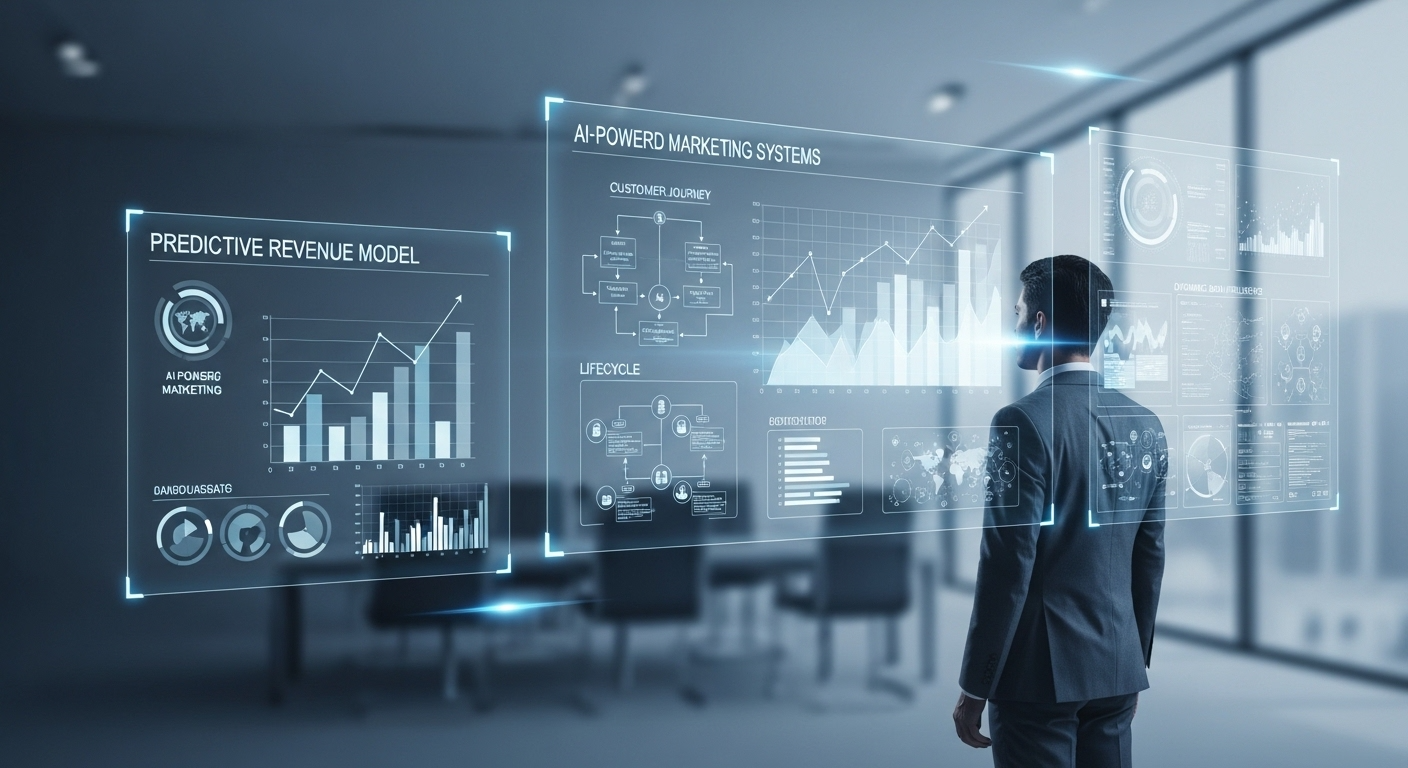
AI, CDPs, and Predictive Revenue Modeling
Why Traditional Marketing Allocation Is Losing Effectiveness
How to Build a Growth Intelligence System
Consultant’s Strategic Insight
1. What Is Driving the Budget Shift in 2026?
Across Europe and global markets, CMOs are reallocating marketing budgets away from:
Stand-alone advertising campaigns
Influencer-driven awareness bursts
Channel-specific experimentation
Toward:
Predictive analytics platforms
Customer Data Platforms (CDPs)
AI-driven personalization engines
Revenue forecasting systems
Companies partnering with cloud platforms such as Google Cloud are embedding marketing intelligence directly into operational systems not just campaign dashboards.
The shift is structural, not temporary.
2. From Campaign Spending to Growth Intelligence
In previous years, marketing investment followed this model:
Budget → Ads → Traffic → Leads → Sales
Now the model is evolving to:
Data → Intelligence → Automation → Optimization → Revenue
Growth intelligence means:
1. Real-time customer behavior tracking
2. Predictive churn modeling
3. Automated lifecycle campaigns
4. Revenue attribution clarity
Instead of asking, “How much should we spend?”
Companies are asking, “How can our system generate predictable revenue?”
3. Europe’s Strategic Push Toward Data-Driven Marketing
European brands are under additional pressure due to regulatory standards like GDPR. This has created a paradox:
Stricter data laws → Higher quality data systems.
Because compliance requires structured infrastructure, European firms are investing in:
Secure data lakes
Consent-driven personalization
Transparent AI systems
Major consumer brands like Unilever are modernizing digital foundations to align marketing intelligence with enterprise systems.
Europe’s growth strategy is becoming:
Ethical + Predictive + Integrated.
4. AI, CDPs, and Predictive Revenue Modeling
Modern growth intelligence systems include:
1. Customer Data Platforms (CDPs)
CDPs unify:
CRM data
Web behavior
Ecommerce activity
Offline purchases
This creates a 360-degree customer profile.
2. AI-Powered Forecasting
AI models now predict:
Purchase probability
Customer lifetime value
Demand spikes
Optimal pricing
Companies using predictive modeling reduce wasted ad spend and improve margin efficiency.
3. Revenue Operations (RevOps) Integration
Marketing and sales budgets are being aligned under shared revenue targets.
Growth intelligence systems connect:
Marketing automation + Sales pipeline + Customer retention metrics
This eliminates attribution confusion.
5. Why Traditional Marketing Allocation Is Losing Effectiveness
Several structural challenges are accelerating the shift:
1. Rising Customer Acquisition Costs (CAC)
Digital advertising is more competitive and expensive.
2. Fragmented Attention
Consumers move across platforms rapidly.
3. Privacy Restrictions
Third-party cookies and data tracking limitations reduce targeting precision.
4. ROI Pressure
Boards now demand measurable impact from marketing spend.
Without intelligence systems, marketing becomes inefficient guesswork.
6. How to Build a Growth Intelligence System
If businesses want to adapt to this shift, they must implement:
Step 1: Centralized Data Infrastructure
Unify:
CRM
Ecommerce
Sales platforms
Marketing automation
Disconnected tools create blind spots.
Step 2: AI-Based Segmentation
Move beyond static audience groups.
Use:
Behavioral triggers
Predictive engagement scoring
Lifecycle-based segmentation
Step 3: Revenue-Focused KPIs
Shift from:
Impressions
Click-through rates
To:
Revenue per customer
Retention growth
Lifetime value
Conversion velocity
Step 4: Continuous Optimization Loops
Modern systems operate on rapid feedback cycles:
Test → Analyze → Refine → Scale
Quarterly reporting is no longer sufficient in competitive markets.
7. Consultant’s Strategic Insight
Digital marketing budgets are not shrinking
they are becoming more intelligent.
Companies that:
Invest in infrastructure
Build predictive systems
Align marketing with revenue
Prioritize data maturity
will outperform those relying solely on creative campaigns.
The future of marketing is not louder messaging. it is smarter systems.
In 2026, growth belongs to organizations that treat marketing as an integrated revenue engine, not a promotional function.
For Business Consultancy,Connect with me
