


CEOs Are Facing Extreme Pressure in 2026
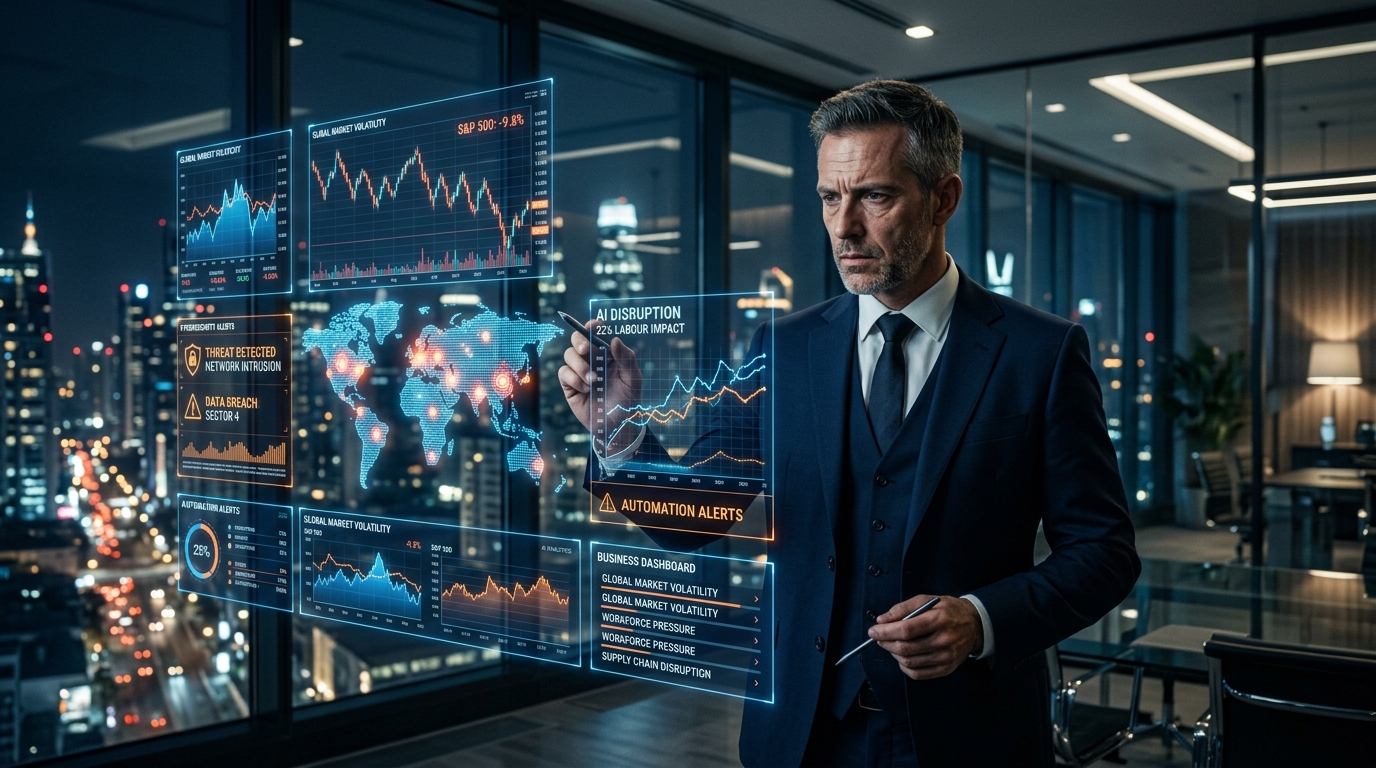
The business world in 2026 is moving faster than ever before, and at the center of this transformation stands the modern CEO. Leadership today is no longer limited to boardroom discussions, quarterly profits, and long-term planning. The role of a CEO has evolved into one of the most demanding and emotionally intense positions in the corporate world.
Today’s CEOs are expected to lead organizations through economic uncertainty, rapid technological disruption, workforce transformation, geopolitical instability, cybersecurity threats, and constant public scrutiny all while maintaining growth and profitability. The pressure is relentless, and the margin for error is smaller than ever before.
In previous decades, leaders primarily focused on operations, competition, and market performance. In 2026, however, CEOs must also become experts in artificial intelligence, workplace culture, mental health, digital communication, sustainability, and crisis management. Modern leadership has become a nonstop balancing act between innovation, responsibility, people management, and survival.
The truth is simple: being a CEO in 2026 is harder than ever.
The Business Environment Has Become More Unpredictable
One of the biggest reasons CEOs are facing enormous pressure is because the global business environment has become deeply unpredictable. Markets can change overnight due to political decisions, economic shifts, technological breakthroughs, or global conflicts.
Business leaders now operate in an environment where uncertainty is permanent rather than temporary.
Companies are dealing with:
inflation fluctuations,
changing consumer behavior,
supply chain instability,
labor shortages,
rapid AI adoption,
environmental regulations,
and increasing competition.
Unlike the past, where businesses had more time to react to changes, modern CEOs are expected to respond almost instantly.
Hard Truth:
The speed of business transformation is now faster than many organizations can comfortably handle.
AI Is Creating Both Opportunity and Fear
Artificial Intelligence has become one of the largest sources of pressure for executives worldwide. AI is transforming industries at an extraordinary pace, forcing CEOs to make major strategic decisions quickly.
Every company is asking the same questions:
Should we automate more operations?
Which AI tools should we adopt?
Will AI replace jobs?
How do we stay competitive?
How do we avoid falling behind competitors?
While AI creates opportunities for efficiency and innovation, it also creates uncertainty and fear inside organizations.
CEOs Are Under Pressure to:
increase productivity through AI,
reduce operational costs,
improve customer experience,
modernize workflows,
and remain technologically competitive.
At the same time, they must protect employees from unnecessary disruption and maintain trust within the company.
This balancing act is incredibly difficult because no one fully knows how AI will reshape industries over the next few years.
The Fear of Becoming Obsolete
One of the hidden pressures many CEOs face today is the fear of irrelevance. Technology is moving so quickly that even successful leaders worry about becoming outdated.
Industries are being disrupted by:
AI startups,
automation platforms,
digital-first competitors,
creator economies,
and decentralized business models.
Companies that once dominated markets are now struggling to adapt.
The Reality:
Success in the past no longer guarantees survival in the future.
This creates enormous pressure on CEOs to:
innovate constantly,
rethink business models,
and transform organizations faster than ever before.
Economic Instability Is Making Leadership More Difficult
Global economic uncertainty continues to create major stress for business leaders in 2026. Inflation, fluctuating interest rates, rising operational costs, and unstable markets are forcing CEOs to make difficult financial decisions every day.
Businesses are trying to protect profitability while also investing in growth.
This often leads to difficult choices involving:
layoffs,
restructuring,
hiring freezes,
automation investments,
and budget reductions.
Many CEOs are trapped between investor expectations and employee wellbeing.
The Challenge:
Investors demand growth,
employees demand stability,
and customers demand better value.
Trying to satisfy all three groups simultaneously creates enormous leadership pressure.
The Modern Workforce Has Changed Completely
Another major challenge for CEOs is the dramatic shift in employee expectations. The modern workforce no longer accepts outdated leadership styles focused purely on authority and control.
Employees now prioritize:
flexibility,
meaningful work,
mental health,
work-life balance,
career development,
and healthy workplace culture.
Companies with toxic environments are struggling with:
employee turnover,
disengagement,
burnout,
and declining productivity.
As a result, CEOs are now expected to become culture leaders, not just business operators.
Leadership Is Becoming More Emotional
One of the biggest transformations in modern business is the rise of emotional leadership. Employees increasingly expect CEOs to show empathy, transparency, and authenticity.
This means leaders are now expected to:
communicate openly during crises,
support employee wellbeing,
handle workplace conflicts carefully,
and create psychologically safe environments.
In the past, leadership was often associated with authority and distance. Today, people want leaders who feel human and approachable.
Hard Truth:
Employees no longer follow leaders simply because of titles. They follow leaders they trust.
CEOs Are Constantly Being Watched
Social media and digital communication have completely changed the pressure of leadership. Every company decision can become public news within minutes.
Modern CEOs operate under constant visibility.
A single mistake can trigger:
public backlash,
viral criticism,
investor concern,
employee dissatisfaction,
or long-term reputation damage.
Leaders today must think carefully about:
public messaging,
corporate values,
social responsibility,
and political positioning.
This level of scrutiny creates mental pressure that previous generations of executives rarely experienced.
The Pressure of Decision-Making Has Intensified
CEOs are required to make high-stakes decisions every day, often with incomplete information. In rapidly changing markets, waiting too long can be dangerous, but moving too quickly can also create costly mistakes.
Modern leaders constantly face questions like:
Should we expand or reduce operations?
Should we invest heavily in AI?
Should we restructure teams?
Should we enter new markets?
Should we pivot business models?
Every decision carries significant risk.
The Hard Reality:
Leadership in 2026 often means choosing between imperfect options.
This creates enormous mental fatigue over time.
Burnout Among CEOs Is Rising
Executive burnout is becoming a major issue across industries. Many CEOs are working longer hours than ever before while carrying massive emotional responsibility.
The pressure to continuously perform has created an “always-on” leadership culture.
Modern executives are expected to remain connected through:
emails,
messaging platforms,
global meetings,
social media,
and investor communications.
This constant connectivity leaves little room for recovery or mental rest.
Common Symptoms of CEO Burnout:
chronic stress,
anxiety,
sleep problems,
decision fatigue,
emotional exhaustion,
and reduced creativity.
Ironically, the higher leaders rise, the more isolated they often become.
The Loneliness of Leadership
One of the least discussed challenges of being a CEO is loneliness. Executives often feel unable to openly discuss fears, uncertainty, or emotional struggles.
Employees look to them for confidence and stability, even during crises.
As a result, many CEOs carry emotional pressure privately.
Leadership Isolation Happens Because:
CEOs must appear confident,
difficult decisions create criticism,
trust becomes harder at higher levels,
and leadership responsibilities become emotionally heavy.
This emotional isolation can damage both mental health and decision-making quality.
Cybersecurity and Digital Risks Are Growing
Digital transformation has created massive opportunities, but it has also increased risks. Cybersecurity threats are becoming more advanced and expensive every year.
CEOs are now responsible for protecting:
customer data,
company systems,
financial information,
and operational infrastructure.
A major cybersecurity breach can:
damage reputation,
reduce customer trust,
create legal consequences,
and cause financial losses.
The pressure to secure businesses digitally is now a core leadership responsibility.
Competition Is More Aggressive Than Ever
Global competition is intensifying across almost every industry. Startups can now scale faster using AI, automation, and digital platforms.
Traditional businesses are facing pressure from:
lean startups,
global online brands,
creator-led businesses,
and technology-driven competitors.
This means CEOs must:
innovate continuously,
improve efficiency,
reduce operational waste,
and deliver faster customer experiences.
Standing still is no longer safe.
Customers Are More Demanding
Consumer expectations have evolved dramatically. Customers now expect:
instant service,
personalized experiences,
ethical business practices,
transparency,
and digital convenience.
Companies that fail to meet these expectations quickly lose market relevance.
As a result, CEOs must constantly improve:
customer experience,
brand trust,
digital systems,
and service quality.
Customer loyalty has become harder to maintain in a world full of endless alternatives.
Why Adaptability Has Become the Most Important Leadership Skill
The CEOs succeeding in 2026 are not necessarily the smartest or most experienced. They are the leaders who adapt the fastest.
Adaptability now matters more than rigid planning.
Successful leaders are:
learning continuously,
embracing innovation,
listening to employees,
experimenting with new systems,
and adjusting quickly to market changes.
The business environment changes too rapidly for traditional slow-moving leadership approaches.
Human-Centered Leadership Is Rising
Companies are increasingly realizing that sustainable success depends on people, not just profits.
This has created a major shift toward human-centered leadership.
Modern CEOs are focusing on:
empathy,
collaboration,
employee wellbeing,
transparent communication,
and inclusive workplace culture.
Businesses with strong cultures are often outperforming competitors because employees feel more engaged and motivated.
Important Lesson:
People build businesses not systems alone.
What CEOs Must Do to Survive Modern Pressure
1. Build Strong Leadership Teams
No leader can handle everything alone. Delegation and collaboration are essential.
2. Prioritize Mental Health
Sustainable leadership requires mental resilience and recovery.
3. Focus on Long-Term Stability
Short-term growth without operational strength creates future risks.
4. Invest in Workplace Culture
Healthy teams improve innovation, loyalty, and productivity.
5. Accept Continuous Learning
Leaders must constantly evolve alongside technology and markets.
6. Balance Technology With Human Judgment
AI can improve efficiency, but human decision-making remains critical.
7. Improve Communication
Clear and transparent communication builds trust during uncertainty.
The Future of Leadership
The role of CEOs will continue evolving over the next decade. Future leaders will need to become:
more adaptable,
emotionally intelligent,
technologically informed,
and people-focused.
The era of purely authority-based leadership is disappearing.
Modern leadership is becoming more human, collaborative, and resilient.
Conclusion
CEOs in 2026 are facing extraordinary levels of pressure because the business world itself has become more complex, faster, and unpredictable. Leaders are expected to manage technological disruption, economic uncertainty, employee wellbeing, public reputation, innovation, and operational performance simultaneously.
The pressure is real, and the challenges are enormous.
However, this transformation is also creating a new generation of stronger and more adaptable leaders. CEOs who embrace change, prioritize people, maintain resilience, and lead with clarity are proving capable of navigating modern business uncertainty.
The hard truth is that leadership today is no longer just about making profits. It is about guiding organizations through constant disruption while maintaining trust, stability, and long-term vision.
In 2026, successful CEOs are not simply business managers they are crisis navigators, culture builders, innovators, and human-centered leaders prepared to lead through uncertainty.
